
Jewelry, a cherished reflection of personal style and memories, demands meticulous storage. Proper organization prevents damage, preserves value, and fosters a harmonious display. Drawer organizers for jewelry storage offer a sophisticated solution, transforming cluttered drawers into stylish sanctuaries. This comprehensive guide explores the diverse world of jewelry organizers, from budget-friendly options to modern design trends, ensuring every piece finds its perfect home.
This guide delves into the crucial aspects of choosing and utilizing drawer organizers for jewelry, covering everything from comparing different organizer types to selecting the ideal size for your drawer. Understanding material durability, organization strategies, and maintenance practices are essential for maximizing the lifespan of your chosen organizers and preserving your precious collection.
Introduction to Jewelry Storage Solutions
Preserving the allure and value of precious jewelry demands meticulous storage practices. From delicate necklaces to weighty bracelets, each piece requires specific care to prevent damage and maintain its inherent beauty. Choosing the right storage solution is crucial, influencing not only the appearance of the jewelry but also its longevity.Proper jewelry storage is paramount for maintaining its integrity and value.
Exposure to harsh environmental conditions, like extreme temperatures, humidity, and light, can accelerate deterioration. Improper storage methods can lead to scratches, tarnish, and even breakage, diminishing the piece’s worth over time. A well-considered approach ensures your jewelry collection remains a treasured asset for years to come.
Various Jewelry Storage Methods
Jewelry storage methods range from simple boxes to sophisticated, custom-designed solutions. Each method offers unique advantages and disadvantages, impacting both the security and presentation of the items. Understanding these distinctions empowers informed choices that cater to individual needs and preferences.
Comparison of Jewelry Storage Solutions
Different storage methods offer varying levels of protection and organization. A comprehensive comparison aids in selecting the optimal solution.
| Storage Method | Pros | Cons | Suitability |
|---|---|---|---|
| Jewelry Boxes | Affordable, readily available, secure storage, often come with compartments. | Limited space, may not be suitable for large collections, not ideal for displaying pieces. | Ideal for smaller collections or pieces needing basic protection. |
| Jewelry Trays | Excellent for showcasing pieces, versatile, allows for easy viewing and access. | Susceptible to scratches or damage if not handled carefully, might not provide sufficient security. | Best for displaying valuable pieces or collections that require visibility. |
| Jewelry Pouches | Lightweight, portable, suitable for travel, often designed with specific compartments for different items. | Limited storage capacity, might not offer robust protection, prone to damage if dropped or mishandled. | Perfect for smaller items, traveling, or holding specific types of jewelry. |
| Drawer Organizers | Maximize space utilization in drawers, offer specific compartments for various jewelry types, prevent tangling and damage, visually appealing. | Can be more expensive than other options, require space for the organizer itself. | Ideal for organized storage of substantial collections, maximizing drawer space. |
Benefits of Drawer Organizers for Jewelry Storage
Drawer organizers, designed with compartments for necklaces, bracelets, earrings, and rings, offer several benefits. They optimize space, prevent tangling, and safeguard pieces from scratches and damage. These features contribute to maintaining the value and beauty of the collection. Furthermore, the visually appealing design can enhance the overall aesthetic appeal of the jewelry storage area.
Types of Drawer Organizers for Jewelry
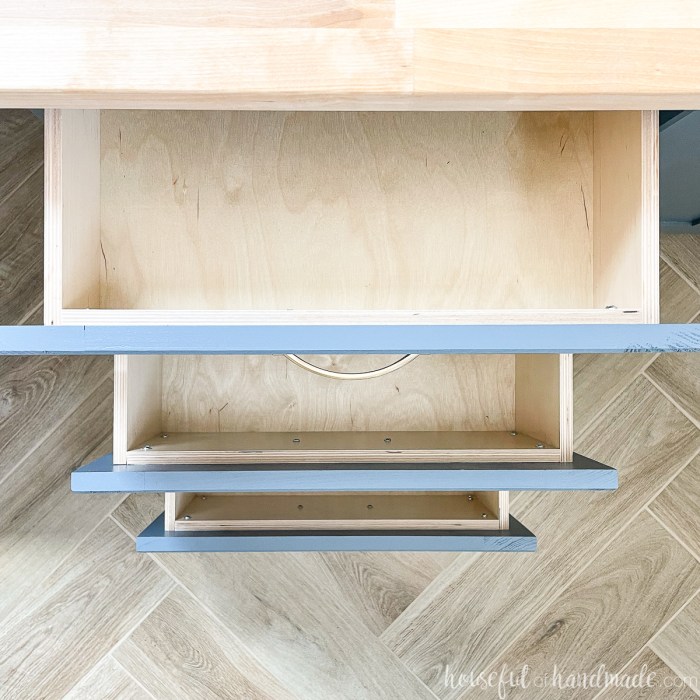
Maximizing space and minimizing clutter in jewelry storage is crucial for both aesthetic appeal and efficient retrieval. Drawer organizers provide a structured approach to this, allowing for better organization and easier access to prized possessions. This section delves into the diverse range of drawer organizers available for jewelry storage, highlighting their unique features, functionalities, and comparative advantages.Effective jewelry storage goes beyond simply placing items in a drawer.
Different types of organizers cater to specific needs and preferences, impacting both the aesthetic presentation and the practicality of accessing jewelry. Understanding the variations available empowers individuals to select the most suitable option for their needs, thereby optimizing their jewelry storage experience.
Dividers
Dividers are essential for creating distinct compartments within a drawer, enabling the segregation of various jewelry pieces. They are commonly made of plastic, cardboard, or metal, offering durability and longevity. The versatility of dividers allows for customized compartmentalization, accommodating diverse jewelry types and sizes. This adaptability makes them a highly sought-after choice for organizing jewelry.
Trays
Jewelry trays provide a structured surface for displaying and organizing jewelry pieces. They are available in various materials, including plastic, wood, or glass, each offering a unique aesthetic. Trays can be used to separate different types of jewelry, such as necklaces, earrings, and bracelets, promoting visual clarity and ease of access. The raised surface area also protects delicate pieces from scratches or damage.
Pouches
Pouches, typically made of fabric or leather, are designed for storing smaller jewelry pieces like earrings, rings, and necklaces. Their soft interior protects delicate items from scratches and damage, while their portability allows for easy transportation of jewelry. Pouches can be color-coded or themed to create a more aesthetically pleasing storage solution.
Boxes within Drawers
Using smaller boxes or containers within drawers allows for the creation of mini-storage systems. These boxes can be made of various materials, like cardboard, plastic, or fabric, with each providing distinct functionalities. Smaller boxes allow for the separation of different jewelry categories, such as bracelets, necklaces, and rings, enhancing the visual appeal of the drawer. They can be stackable, maximizing the utilization of vertical space within the drawer.
Table: Dimensions and Capacity of Jewelry Organizer Types
| Organizer Type | Width (in) | Depth (in) | Capacity (pieces) |
|---|---|---|---|
| Dividers (plastic) | 10-15 | 5-8 | 20-50 |
| Trays (plastic) | 12-20 | 6-12 | 30-80 |
| Pouches (fabric) | 6-10 | 4-6 | 10-25 |
| Boxes (cardboard) | 8-12 | 5-8 | 15-40 |
Materials and Construction of Drawer Organizers
The choice of materials significantly impacts the functionality, aesthetic appeal, and ultimately, the value proposition of jewelry drawer organizers. Different materials offer varying levels of durability, price points, and design possibilities, each affecting the overall user experience. Understanding these distinctions is crucial for selecting the right organizer to meet individual needs and preferences.
Common Materials
The materials used in constructing drawer organizers range widely, from the ubiquitous and affordable to the premium and enduring. Each material offers unique characteristics that affect the longevity, visual appeal, and cost of the product. Plastic, fabric, wood, and metal are the most prevalent choices, each with its own set of advantages and disadvantages.
Durability and Longevity
The longevity of a drawer organizer directly correlates with the material’s inherent resistance to wear and tear. Plastic organizers, for instance, are generally lightweight and inexpensive, but their durability can vary depending on the specific type of plastic and the manufacturing process. Fabric organizers, while often stylish, may not withstand heavy use or exposure to moisture as effectively as other materials.
Wood organizers, particularly those crafted from hardwoods, are known for their longevity and resilience. Metal organizers, such as those made from stainless steel or aluminum, tend to be the most durable and long-lasting option, capable of withstanding frequent use and potential damage.
Impact on Appearance and Feel
The visual aesthetic and tactile experience of a jewelry organizer are directly influenced by the material used. Plastic organizers often come in a wide array of colors and designs, offering versatility in matching existing décor. Fabric organizers provide a soft, inviting touch, ideal for creating a more luxurious feel. Wooden organizers lend a natural, warm, and sophisticated touch, often appealing to those seeking a classic or traditional style.
Metal organizers, particularly those with polished finishes, can evoke a sense of modern elegance and sophistication.
Price Comparison
The cost of drawer organizers varies considerably based on the material used. A direct comparison is presented below. Note that specific prices will fluctuate based on brand, design complexity, and retailer.
| Material | Durability | Appearance | Price Range (USD) |
|---|---|---|---|
| Plastic | Moderate | Versatile | $10-$50 |
| Fabric | Low-Moderate | Stylish | $15-$75 |
| Wood | High | Classic | $25-$200+ |
| Metal | High | Elegant | $30-$200+ |
Organization Strategies for Jewelry
Maximizing the utility of jewelry storage requires a systematic approach that goes beyond simply placing items in a drawer. Effective organization not only prevents tangling and breakage but also facilitates quick access to specific pieces, enhancing the overall jewelry-management experience. This approach ensures that prized possessions are preserved and readily available.A well-structured jewelry storage system, tailored to individual needs, is crucial for maintaining the integrity and aesthetic appeal of jewelry.
This involves choosing appropriate organizers, understanding the best practices for storing different types of jewelry, and implementing preventative measures against damage.
Necklace Organization
Proper necklace storage is essential to prevent tangling and maintain their structural integrity. A dedicated section within the jewelry organizer, specifically designed for necklaces, is crucial.
Consider using specialized necklace holders or individual compartments for each necklace. This will keep them separated and prevent them from becoming tangled.
- For delicate necklaces, use individual velvet-lined pouches or small boxes for each piece to prevent scratches and damage.
- Use clear plastic sleeves for necklaces to help with visibility and identification, especially if many necklaces are stored.
- For longer necklaces, use a hanging system or designated areas within the drawer for hanging, which prevents them from becoming knotted.
Bracelet Organization
Bracelets, with their variety of styles and materials, require careful consideration during storage. The aim is to avoid kinks and maintain the bracelet’s shape.
Using dividers or small trays within the bracelet organizer can keep bracelets separated and prevent them from getting tangled.
- Group bracelets by material (e.g., leather, metal) or style (e.g., bangles, charm bracelets) to enhance the organization system.
- For delicate bracelets, consider storing them in individual pouches or compartments to prevent scratches and damage.
- Use clear plastic sleeves to protect bracelets and maintain their visual appeal.
Earrings Organization
Earrings are prone to becoming mismatched or losing their hooks. Effective storage prevents this.
Earrings can be stored in a variety of ways, from earring organizers to small boxes, ensuring easy retrieval and preventing damage.
- Use earring holders or trays to keep earrings separate, which is important to avoid mix-ups.
- Store earrings in individual earring cases to maintain their integrity and prevent damage.
- Consider using small boxes or pouches to store earrings by pairs, ensuring they are kept together.
Ring Organization
Rings are often overlooked in organization strategies, yet they deserve special attention. Maintaining the integrity of rings and preventing scratches is key.
Ring rolls or trays are ideal for ring storage, as they allow easy access to each ring while preventing scratching or damage.
- Use a ring roll to keep rings organized and easily accessible, with each ring positioned separately.
- Store rings in a soft, lined box to prevent scratching and maintain their condition.
- Use small trays or dividers to keep rings separate by size or style.
Sizing and Dimensions for Jewelry Organizers
Precise sizing is crucial for maximizing drawer space and ensuring jewelry organizers integrate seamlessly into the existing storage system. An ill-fitting organizer wastes valuable drawer real estate and can hinder the ease of accessing and organizing your collection. Proper dimensions also contribute to the overall aesthetic appeal and functionality of the jewelry storage solution.Accurate measurements and mindful selection of organizer dimensions are paramount for a well-organized jewelry storage system.
This meticulous approach ensures that the organizers not only fit perfectly within the designated drawer space but also facilitate effortless retrieval and prevent clutter.
Optimal Dimensions Based on Drawer Size
Careful consideration of drawer dimensions is essential to ensure that jewelry organizers don’t overfill or underutilize the available space. This approach maximizes storage capacity and promotes a streamlined organizational system.
- Drawer measurements should be taken with precision using a ruler or measuring tape. A common mistake is neglecting to measure the depth, width, and height of the drawer. This meticulous approach ensures that the organizer will accommodate all jewelry items effectively and prevent overfilling.
- Determining the ideal organizer size requires a balanced approach, considering the intended jewelry pieces and the overall drawer dimensions. This consideration will determine the storage capacity and usability of the organizer.
Measuring Drawer Space Accurately
Precise measurement of drawer space is vital for selecting the correct organizer size. This meticulous approach avoids wasted space and ensures the organizer fits snugly within the drawer.
- Measure the interior width, depth, and height of the drawer using a ruler or measuring tape. These dimensions are crucial for determining the appropriate size and shape of the organizer.
- Allow for a small margin of error to account for potential variations in drawer measurements or the thickness of the organizer material. This margin ensures that the organizer can be securely installed in the drawer.
- Consider the depth of the drawer. A deep drawer might accommodate larger organizers, while a shallow drawer will require a smaller, more compact organizer. This factor is crucial for optimizing storage and maximizing drawer utilization.
Importance of Seamless Fit
A seamless fit is crucial for maximizing the efficiency of the jewelry organizer. A snug fit prevents the organizer from shifting or moving around within the drawer, maintaining the organization and preventing the loss of jewelry.
- An organizer that fits snugly within the drawer prevents items from shifting or falling out, ensuring that the jewelry is securely stored. This seamless integration promotes the overall aesthetic and functional appeal of the jewelry storage solution.
- A well-fitted organizer allows for easy access to jewelry pieces, eliminating the need to search through a cluttered drawer. This convenience significantly enhances the ease of retrieval and use.
Organizer Dimensions Table
The table below illustrates the recommended organizer dimensions for various drawer sizes. These recommendations provide a practical guide for selecting the appropriate organizer to maximize drawer space.
| Drawer Width (in) | Drawer Depth (in) | Drawer Height (in) | Recommended Organizer Dimensions (in) |
|---|---|---|---|
| 12 | 10 | 2 | 10 x 8 x 1.5 |
| 18 | 14 | 3 | 16 x 12 x 2 |
| 24 | 18 | 4 | 22 x 16 x 2.5 |
| 30 | 22 | 5 | 28 x 20 x 3 |
Maintenance and Care for Drawer Organizers
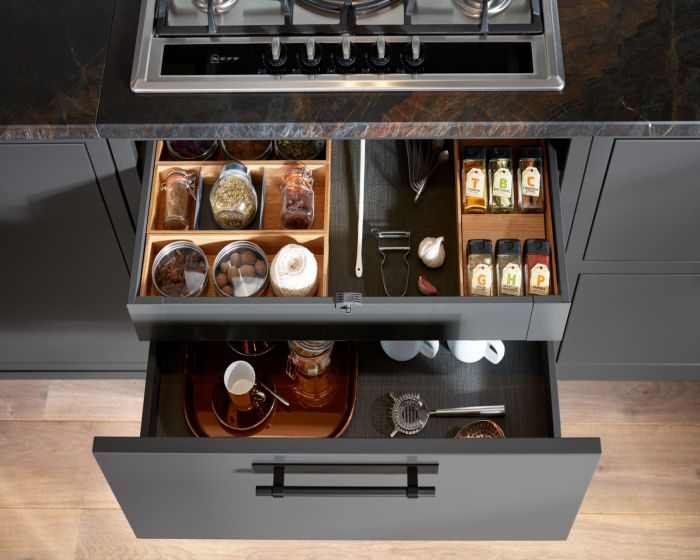
Maintaining the pristine organization of your jewelry collection hinges on the proper care of your drawer organizers. Neglecting these essential components can lead to damage, reduced lifespan, and a decline in the overall aesthetic appeal of your storage solutions. By implementing consistent cleaning and maintenance practices, you can safeguard your investment and ensure the longevity of your jewelry storage system.
Cleaning and Sanitizing Procedures
Regular cleaning is crucial for preserving the integrity and visual appeal of your jewelry drawer organizers. A comprehensive cleaning regimen will not only remove dust and debris but also prevent the accumulation of moisture, which can lead to corrosion or discoloration. This is particularly important for organizers made from materials susceptible to moisture damage, such as wood or metal.
- Gentle Cleaning Solutions: Use a soft cloth dampened with a mild detergent or soapy water to wipe down the organizer’s surface. Avoid harsh chemicals or abrasive cleaners, which can scratch the finish or damage the material. For instance, a solution of mild dish soap and lukewarm water is a good general-purpose cleaner.
- Thorough Drying: After cleaning, ensure the organizer is completely dry. Allow ample time for air drying to prevent water spots or discoloration. A soft towel can aid in this process. Avoid using a hairdryer or other heat sources, as these can warp or damage certain materials.
- Specialized Cleaning for Specific Materials: Different materials require varying cleaning methods. For instance, organizers made from lacquered wood might necessitate a specialized wood polish, while organizers with intricate details or embellishments might require a delicate brush and cleaning solution tailored to the specific material.
Preventing Damage and Deterioration
Implementing proactive measures to safeguard your jewelry drawer organizers from damage is paramount to ensuring their longevity. Proactive maintenance minimizes the risk of scratches, warping, and other potential issues.
- Proper Storage of Jewelry: Ensure that jewelry pieces are stored appropriately within the organizer to prevent scratching or damage. Use individual compartments, dividers, or padding to protect items from contact with each other. Properly cushioning and organizing individual pieces reduces the risk of scratches or damage.
- Environmental Considerations: Avoid storing jewelry organizers in locations with excessive moisture or extreme temperatures. Fluctuations in temperature and humidity can cause warping, cracking, or other structural damage to certain materials. Storing in a stable, moderate temperature environment is crucial.
- Protection from Direct Sunlight: Exposure to direct sunlight can cause fading or discoloration of certain materials, such as plastic or painted surfaces. Store organizers in a location shielded from direct sunlight to maintain their aesthetic appeal.
Frequency of Cleaning and Maintenance
The optimal frequency of cleaning and maintenance for jewelry drawer organizers depends on the usage and the environment in which they are stored. Regular cleaning prevents the buildup of dust and debris, while more intensive cleaning cycles might be necessary in high-humidity environments or after significant use.
- Regular Maintenance: A weekly wipe-down with a damp cloth and a thorough drying is generally sufficient for most jewelry organizers in moderate environments. This helps to prevent the accumulation of dust and grime.
- More Intensive Cleaning: For organizers used daily or exposed to high humidity, more frequent cleaning may be required, perhaps monthly or even bi-monthly, to maintain cleanliness and prevent the build-up of moisture.
- Annual Inspection: A comprehensive annual inspection can identify any signs of damage or deterioration, enabling prompt repairs or replacements before they become major issues. This annual inspection is crucial to catching any early signs of damage.
Tips for Extending the Lifespan of Jewelry Organizers
Implementing these practical tips can significantly extend the lifespan of your jewelry organizers, ensuring they continue to serve your storage needs for years to come.
- Regular Inspection: Conduct periodic checks for any signs of wear and tear, such as cracks, warping, or discoloration. Prompt attention to these issues can prevent further damage.
- Proper Handling: Avoid dropping or mishandling the organizers to prevent scratches or breakage. Gentle handling ensures the longevity of the product.
- Environmental Control: Maintain a stable environment with moderate temperature and humidity to minimize the risk of damage due to fluctuations in these factors.
Budget-Friendly Options for Drawer Organizers
Maximizing storage space without breaking the bank is a common challenge for many. This section explores cost-effective solutions for jewelry drawer organization, offering practical and visually appealing alternatives to expensive, pre-made options. Budget-conscious consumers can create functional and attractive jewelry storage solutions without sacrificing quality or style.
Identifying Budget-Friendly Options
Many budget-friendly drawer organizers leverage readily available materials and creative design. These options often prioritize functionality over elaborate aesthetics, focusing on effective compartmentalization and efficient use of space. These materials can include repurposed containers, cardboard, and affordable plastic bins.
Examples of Inexpensive Yet Effective Organizers
- Repurposed containers: Empty food containers, pill organizers, or even small, clear plastic boxes can be repurposed to create individual compartments for earrings, necklaces, or bracelets. Their transparency allows for easy identification of items, and their affordability makes them a smart investment. Consider using labels for clarity and to keep track of different jewelry types.
- Cardboard dividers: Cardboard can be easily cut and shaped into dividers to create sections within a drawer. This is an excellent option for organizing necklaces, bracelets, or rings by type or length. The use of decorative paper or paint can personalize the dividers and enhance their aesthetic appeal. The low cost and ease of customization make this a practical choice.
- Fabric-lined boxes: Small, inexpensive boxes can be lined with fabric scraps, repurposed textiles, or wrapping paper to create a cohesive look and a sense of organization. This can add a touch of personal style to the storage solution, while also preventing jewelry from scratching or damaging each other.
Finding Budget-Friendly Organizers
- Thrift stores and secondhand shops: These locations often have a surprising array of containers and organizers that can be purchased at a fraction of the retail price. Careful selection can lead to a unique and personalized storage solution.
- Craft stores: Craft stores frequently stock a variety of materials for creating DIY organizers, such as cardboard, decorative paper, and various types of fabric.
- Online marketplaces: Online marketplaces, such as eBay or Amazon, offer a wide range of affordable containers and storage solutions. Careful comparison shopping and reading reviews can help find the most cost-effective and reliable options.
DIY Drawer Organizers for Jewelry
“Creativity and resourcefulness are key to creating a unique and functional jewelry drawer organizer.”
- Step-by-step instructions for a cardboard organizer: First, measure and cut cardboard into the desired shape and size for the dividers. Next, use craft knife or scissors to carefully cut the cardboard. Secure the dividers in the drawer using double-sided tape or glue. To personalize, decorate the cardboard dividers with paint, fabric scraps, or patterned paper. The use of adhesive-backed paper can also make the dividers easier to adhere to the drawer and more aesthetically pleasing.
This process results in custom dividers that perfectly fit the drawer space, ensuring maximum efficiency.
Modern Design Trends for Drawer Organizers
Contemporary jewelry storage solutions are evolving beyond basic functionality, embracing sleek aesthetics and innovative organization. Designers are increasingly integrating modern design principles into drawer organizers, creating pieces that seamlessly blend into the overall décor while maximizing storage space. This shift reflects a broader trend of prioritizing both practicality and visual appeal in home organization.Modern jewelry drawer organizers are not just about keeping items tidy; they’re about crafting a stylish and functional storage system.
This approach emphasizes clean lines, streamlined shapes, and versatile materials that can adapt to various interior design styles. The focus is on achieving a harmonious balance between form and function, optimizing both the visual appeal and the practical utility of the storage solution.
Current Design Trends
Modern jewelry organizers are characterized by a move away from traditional, ornate designs towards clean lines and minimalist aesthetics. Materials like glass, brushed metal, and high-quality wood are increasingly popular choices, often combined to create a sophisticated and contemporary look. The use of transparent materials allows for easy viewing of the jewelry collection, enhancing the visual appeal and showcasing the items stored within.
Popular Colors and Styles
Neutral tones like beige, gray, and black are frequently chosen for their versatility and ability to complement a wide range of interior design schemes. However, bolder colors, such as rose gold, copper, and matte black, are also emerging as popular choices, particularly in contemporary and modern settings. Geometric shapes and sleek profiles are common design elements, enhancing the modern aesthetic and streamlining the organization.
Materials and Construction
Contemporary organizers frequently utilize durable materials known for their aesthetic appeal and longevity. High-quality wood, often with a smooth finish, provides a natural and warm touch, particularly in organizers with a more natural or rustic style. Brushed metal, in finishes like nickel, brass, or rose gold, offers a contemporary and sophisticated look. Glass, with its transparency, facilitates easy viewing and enhances the presentation of the jewelry.
Innovative combinations of these materials, such as glass drawers within a wooden frame, are increasingly common.
Examples of Modern Jewelry Organizers
“A minimalist organizer featuring a clear acrylic drawer with a brushed nickel frame, allowing for easy visualization of necklaces and earrings, exemplifies modern design.”
“A geometric jewelry organizer constructed from light oak wood with integrated compartments for rings and bracelets, exemplifies a contemporary approach to maximizing storage space.”
“A multi-tiered organizer with glass compartments and a stainless steel base, offering a sleek and contemporary solution for storing rings, earrings, and necklaces, is another example of modern design.”
Aesthetics and Functionality of Modern Designs
Modern jewelry organizers prioritize both visual appeal and functionality. Their sleek designs and streamlined shapes enhance the aesthetic appeal of the jewelry storage area, while the well-organized compartments ensure efficient and convenient access to each piece. The use of transparent materials allows for a clear view of the jewelry collection, enhancing its presentation and maximizing the storage space.
Contemporary organizers often include integrated lighting to illuminate the jewelry, highlighting its beauty and enhancing the overall aesthetic experience.
Drawer Organizer Selection Guide
Navigating the myriad of jewelry drawer organizers can feel overwhelming. This guide provides a structured approach to selecting the ideal organizer, ensuring your jewelry is not only stored efficiently but also showcased beautifully. Proper selection depends on understanding your specific needs and the characteristics of the available options.Effective jewelry storage is crucial for maintaining the aesthetic appeal and functionality of your jewelry collection.
Choosing the right organizer ensures easy access, minimizes tangling, and prevents damage. This guide details the key considerations for finding the perfect fit for your drawers and your treasured pieces.
Drawer Size Considerations
Understanding the dimensions of your jewelry drawer is paramount. An organizer that’s too large will waste space, while one that’s too small will hinder proper organization. Measure your drawer’s interior width, depth, and height meticulously. This data is critical for selecting an organizer that perfectly fits. Consider if the drawer has any unique features, such as shallow depth or unusual angles, as these might influence the suitability of certain organizers.
Jewelry Type and Quantity
The type and quantity of jewelry significantly influence organizer selection. A collection dominated by delicate necklaces necessitates a different approach than one filled with chunky bracelets. Consider the variety of jewelry pieces: earrings, necklaces, bracelets, rings, and pendants. Assess the number of each type to determine the storage compartments required. A well-organized jewelry drawer accounts for the different sizes and shapes of your pieces.
For instance, rings require separate compartments from necklaces or bracelets, ensuring they don’t get tangled or damaged.
Budget Constraints
Budgetary considerations are vital. Drawer organizers are available in a range of price points. From budget-friendly options to premium organizers with advanced features, understanding your financial limits allows you to select an organizer that fits your budget. While a more expensive organizer may offer superior materials and durability, a practical, well-designed, and budget-friendly option can still effectively store your jewelry.
Organizer Features Checklist
Careful consideration of features is crucial for optimizing storage efficiency.
- Compartmentalization: The organizer should provide separate compartments for different jewelry types. This will prevent tangling and ensure easy access to each piece.
- Material Durability: The organizer’s material should be durable enough to withstand daily use and protect your jewelry. Materials like sturdy plastic, high-quality wood, or metal are preferable.
- Adjustable/Removable Sections: Consider organizers with adjustable or removable sections. This flexibility allows you to customize the storage based on your collection’s evolution.
- Ease of Access: The organizer should be designed for easy access to your jewelry. This ensures you can quickly find what you need without having to rummage through the drawer.
- Aesthetic Appeal: The organizer should complement the aesthetic of your drawer and your overall interior design. Choose a style that blends seamlessly with your décor.
Storage Needs Alignment
The chosen organizer should precisely match your storage needs. This entails a careful evaluation of how you want to organize your jewelry. Do you prioritize easy access or maximizing space? The optimal organizer will balance these factors and meet your specific storage needs. This means considering how often you access certain pieces and organizing accordingly.
An organizer with dedicated compartments for necklaces, bracelets, and earrings will allow you to quickly locate the jewelry you need.
Additional Tips and Tricks for Jewelry Storage
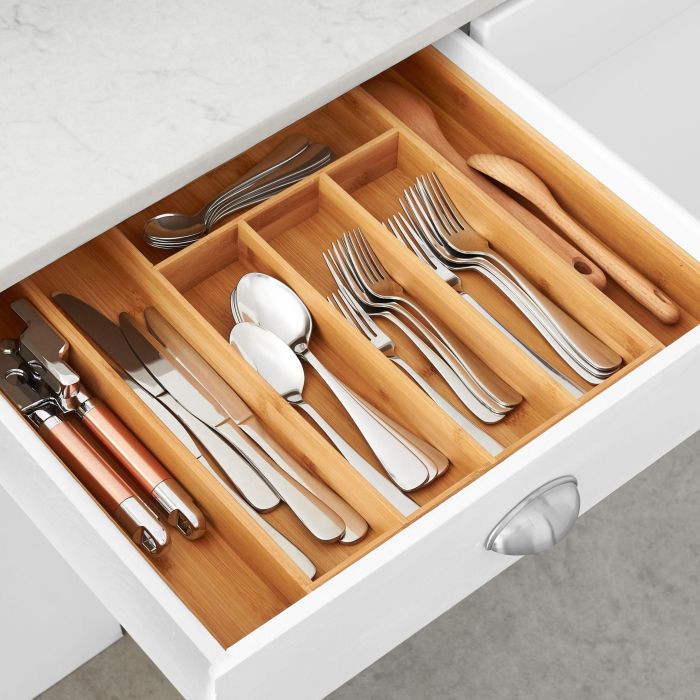
Beyond dedicated organizers, strategic placement and innovative solutions significantly enhance jewelry storage. Optimizing space and minimizing damage are key considerations, especially for valuable pieces. These additional techniques provide a more holistic approach to jewelry management, enhancing both its accessibility and preservation.
Innovative Storage Solutions Beyond Traditional Organizers
Beyond traditional drawer organizers, various creative solutions maximize space and protect delicate pieces. Consider using repurposed materials and modular systems to tailor storage to individual needs and preferences. This adaptability is crucial for adapting to changing needs and evolving collections.
Using Other Household Items for Jewelry Storage
Certain household items can surprisingly serve as effective jewelry storage solutions. Clear acrylic boxes or containers are ideal for showcasing necklaces, earrings, or bracelets, while velvet-lined jewelry boxes offer a luxurious touch. The use of repurposed materials demonstrates the versatility of storage solutions, highlighting the importance of adaptability and cost-effectiveness.
- Acrylic Boxes/Containers: Clear acrylic boxes or containers offer a visually appealing way to store necklaces, earrings, and bracelets. Their transparency allows for easy identification and selection, minimizing the time spent searching for specific pieces.
- Velvet-Lined Boxes: Velvet-lined jewelry boxes provide a luxurious and protective environment for delicate pieces. The soft velvet lining cushions jewelry against scratches, enhancing their longevity.
- Small Trays/Dividers: Small trays or dividers, placed within drawers or on shelves, offer a practical way to separate different types of jewelry. This segregation minimizes tangling and facilitates faster retrieval.
- Repurposed Materials: Utilizing repurposed materials like decorative tins, antique boxes, or even fabric-covered shoe boxes adds a personal touch and can be surprisingly effective. This approach to storage showcases creativity and reduces waste.
Benefits of Organized Jewelry Storage
Organized jewelry storage offers significant advantages beyond aesthetic appeal. It saves time, reduces stress, and enhances the longevity of treasured items. A well-organized system allows for easy access, preventing damage and facilitating the identification of specific pieces. This efficiency translates to both practical benefits and personal satisfaction.
- Time Savings: Organized jewelry storage significantly reduces the time spent searching for specific pieces. Quick retrieval of items minimizes disruption and maximizes efficiency.
- Reduced Stress: A well-organized system eliminates the frustration associated with cluttered storage. Easy access and visual clarity contribute to a calmer and more productive environment.
- Enhanced Longevity: Organized storage protects jewelry from damage by preventing tangling, scratches, and collisions. This meticulous care prolongs the lifespan of treasured items.
- Improved Identification: Clear categorization and storage solutions aid in quickly identifying specific pieces. This streamlined approach to organization maximizes efficiency and reduces time spent searching.
Closing Summary
In conclusion, this comprehensive guide to drawer organizers for jewelry storage equips you with the knowledge to create a personalized and efficient jewelry sanctuary. From comparing various organizer types and materials to mastering organization strategies and maintenance techniques, the insights presented empower you to select the ideal solution for your needs. Whether you’re a seasoned jewelry enthusiast or a novice collector, this guide offers a roadmap for achieving optimal jewelry storage.
